
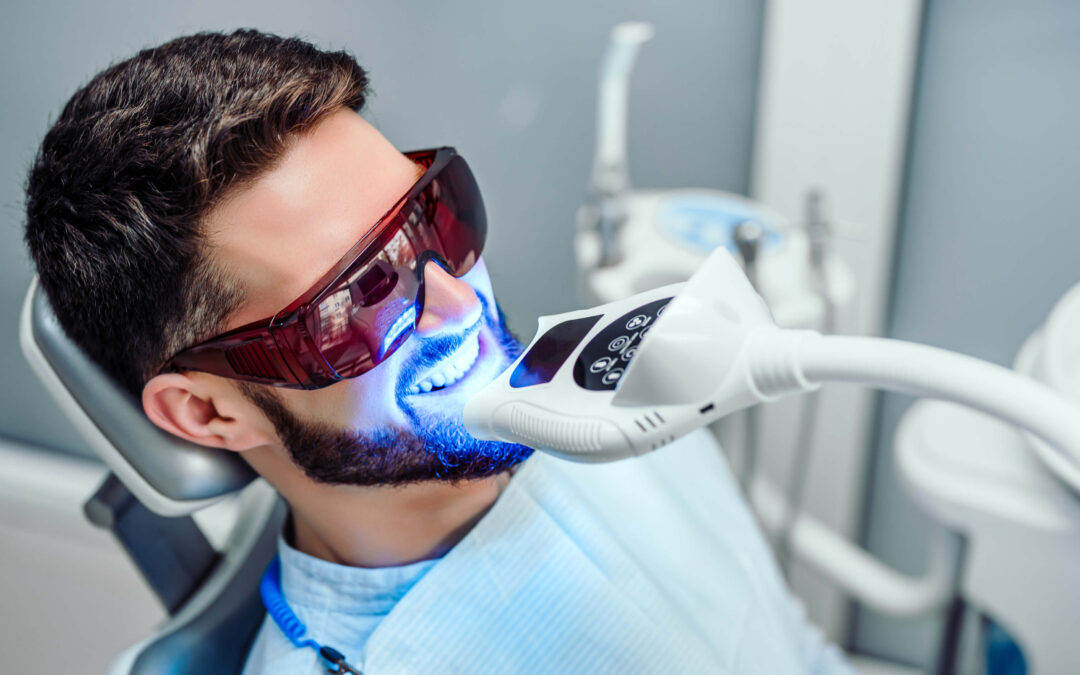
Professional teeth whitening results do not have one fixed timeline. How long they last depends on factors such as your natural tooth shade, the types of foods and drinks you consume, your daily oral hygiene habits, and how your teeth respond to whitening treatment. Some people maintain a brighter smile for a longer period, while others may notice gradual changes sooner. If you have questions about whitening results or notice new tooth discolouration, a dental assessment can help determine the most appropriate next step.
If you’re considering professional teeth whitening in Ajax, understanding what influences the longevity of your results can help you set realistic expectations before treatment.
What Affects How Long Professional Teeth Whitening Lasts
One of the most common questions patients ask is how long professional whitening will last. While professionally supervised whitening can noticeably brighten teeth, there is no guaranteed timeline because every smile is different.
Your natural tooth colour plays an important role. Some teeth respond differently to whitening depending on the type and degree of staining present before treatment. Lifestyle habits also influence how long whitening results remain noticeable.
Factors that may affect whitening longevity include:
- Your natural tooth shade.
- The foods and beverages you consume regularly.
- Tobacco use.
- Daily brushing and flossing habits.
- Age-related changes to tooth colour.
- Whether you have existing dental restorations.
It’s also important to understand that whitening does not permanently prevent future staining. Teeth are exposed to foods, beverages, and normal wear every day, so gradual colour changes can occur over time even after successful treatment.
If you are considering professional teeth whitening in Ajax, your dentist can assess your current tooth shade, discuss what may be contributing to discolouration, and explain what results may be realistic based on your individual situation. This conversation helps ensure expectations are based on your oral health rather than a fixed timeline or someone else’s experience.
People also respond differently to whitening treatment. Two patients with similar staining may notice different results or experience those results for different lengths of time. This variation is normal and is one reason an individual assessment is valuable before treatment.
The condition of your teeth before whitening may also influence the overall outcome. Surface stains caused by coffee, tea, or tobacco may respond differently than deeper discolouration that develops naturally over time. Rather than expecting identical results for every patient, it is more realistic to understand that whitening outcomes are individualized and depend on several factors working together.
Some patients also wonder whether brighter teeth will remain the same colour indefinitely if they brush and floss carefully. Although good oral hygiene supports the appearance of your smile, it cannot completely prevent the natural effects of aging or future exposure to staining foods and beverages. This is why whitening results gradually change over time rather than remaining exactly the same forever.
Why Stains Can Return After Whitening
Even after professional whitening, teeth continue to be exposed to substances that can gradually affect their colour. This does not necessarily mean the whitening treatment has failed. Instead, it reflects the normal process of everyday use over time.
Coffee, tea, red wine, and other strongly coloured foods and beverages may contribute to new surface stains. Tobacco products may also affect the appearance of teeth. In addition, natural aging can gradually change tooth colour regardless of whether whitening has been performed previously.
Daily habits are only part of the picture. Even people who take excellent care of their teeth may notice subtle colour changes over the years because enamel naturally changes with age. This gradual process varies from person to person and is considered a normal part of maintaining a healthy smile.
Some patients are surprised when certain teeth appear unchanged after whitening. Existing crowns, veneers, fillings, and other dental restorations generally do not whiten in the same way as natural teeth. If these restorations are visible when you smile, your dentist can discuss whether they may affect the overall appearance of your whitening results.
Because discolouration can have several causes, not every change in tooth colour is related to staining alone. An assessment allows your dentist to determine whether whitening remains appropriate or whether another factor should be evaluated before additional treatment is considered.
How to Help Protect a Brighter Smile
Although whitening results naturally change over time, there are several habits that may help maintain a brighter smile for longer. These steps cannot guarantee how long whitening will last, but they can help reduce the buildup of new stains and support your overall oral health.
One of the most important habits is maintaining a consistent oral hygiene routine. Brushing twice a day, flossing daily, and cleaning your teeth thoroughly help remove plaque and surface stains before they become more noticeable. Attending regular dental checkups and preventive care appointments also allows your dentist to monitor your oral health, remove surface staining during professional cleanings when appropriate, and discuss any changes you have noticed.
Lifestyle choices may also influence how long whitening results remain noticeable. Coffee, tea, red wine, and tobacco products are common sources of staining over time. While you do not necessarily have to avoid these completely, being aware of their effect on tooth colour can help you make informed decisions about maintaining your results.
It is also worth remembering that whitening is not the right solution for every type of discolouration. If your teeth begin changing colour unexpectedly or one tooth becomes noticeably darker than the others, a dental examination is the best way to determine the cause before considering additional whitening treatment.
When an Ajax Dentist Should Assess Tooth Discolouration
Gradual changes in tooth colour are common, but there are times when an assessment is worthwhile instead of assuming whitening is the answer.
If you notice that your teeth are becoming darker sooner than expected, develop uneven discolouration, or experience tooth sensitivity while thinking about whitening, it is a good idea to speak with your dentist. They can determine whether the colour changes are related to everyday staining, existing dental restorations, or another oral health concern.
An assessment is also helpful if you have crowns, veneers, or tooth-coloured fillings that no longer match your natural teeth. Because these restorations generally do not respond to whitening the same way as natural enamel, your dentist can discuss realistic expectations and whether additional treatment should be considered.
Rather than focusing only on achieving a brighter smile, the goal is to understand why your teeth have changed colour and determine the most appropriate approach based on your individual oral health.
Frequently Asked Questions About Professional Teeth Whitening
How long does professional teeth whitening last?
There is no single answer because results vary from person to person. Factors such as your natural tooth shade, oral hygiene habits, diet, tobacco use, and everyday wear all influence how long whitening results remain noticeable. Your dentist can discuss what may be realistic for your individual situation.
Can professional whitening work on crowns or veneers?
No. Professional whitening is intended to brighten natural teeth and generally does not change the shade of crowns, veneers, fillings, or other dental restorations. If you have visible restorations, your dentist can explain how they may affect the overall appearance of your smile after whitening.
Does teeth whitening cause sensitivity?
Some people experience temporary tooth sensitivity during or after whitening, while others notice little or no sensitivity. The amount varies from person to person, which is why your dentist will discuss your oral health and any concerns before recommending treatment.
Talk to Westney North Dental Clinic About Teeth Whitening
If you are considering whitening your teeth or have noticed changes in your smile after previous treatment, a dental assessment can help you understand what options may be appropriate. Your dentist can evaluate the cause of tooth discolouration, discuss realistic expectations, and answer questions about whitening sensitivity, existing dental restorations, and maintaining your results.
If you’re looking for guidance about teeth whitening in Ajax, you can contact Westney North Dental Clinic to arrange an assessment. Your dentist can recommend an approach based on your individual oral health and discuss whether professional whitening may be appropriate for your smile.
Recent Comments